Lights, Camera, Howl: How Tennessee's Wildest Corners Became Hollywood's Favorite Monster Playground
Lights, Camera, Howl: How Tennessee's Wildest Corners Became Hollywood's Favorite Monster Playground
There's a moment in a lot of great werewolf stories — you know the one — where the camera pulls back and lets the landscape do the talking. The trees press in too close. The road ahead disappears into fog. Something about the geography itself feels hungry. If you've watched enough paranormal content and kept one eye on the scenery, there's a decent chance you've been staring at Tennessee without even realizing it.
This state has been quietly moonlighting as a monster backdrop for years, and it's about time somebody talked about it.
Why Tennessee Works So Well on Camera
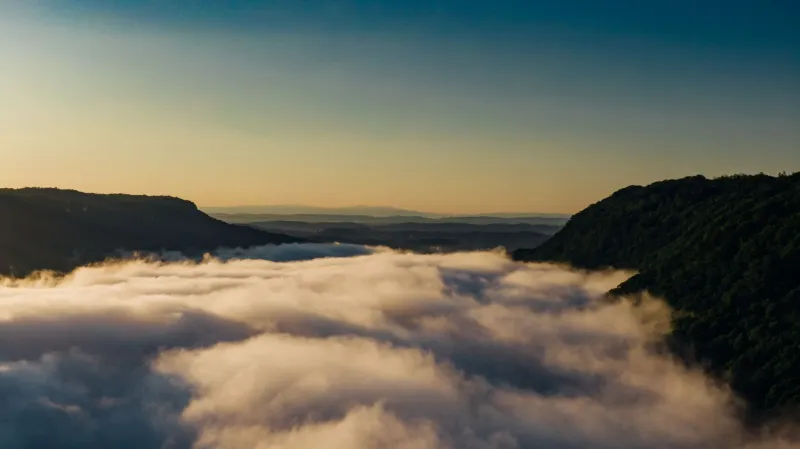
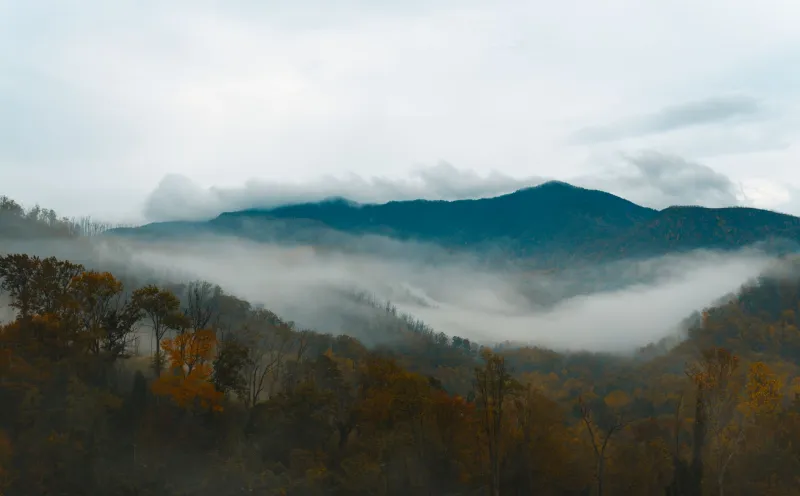
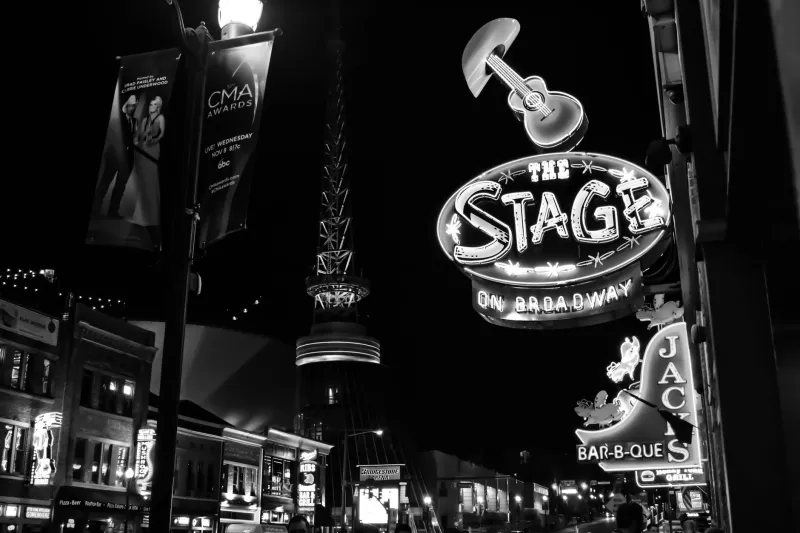
Ask any location scout who's worked a creature feature shoot in the Southeast, and they'll tell you the same thing: Tennessee is almost unfairly versatile. You've got the dense, mist-heavy forests of the Great Smoky Mountains in the east. You've got the wide, flat Mississippi River delta bleeding into Memphis in the west. Smack in the middle, Nashville serves up a weird collision of neon honky-tonk glam and genuinely ancient-feeling back roads that branch off into the dark the second you leave the city limits.
For supernatural storytelling specifically, that range of texture is invaluable. Werewolf narratives in particular need contrast — the civilized world butting up against something untamed. Tennessee provides that contrast in spades, sometimes within a single county.
Production designer Lara Whitfield, who has worked on several independent horror projects shot in the Knoxville metro area, put it plainly in a recent conversation: "You can be standing in front of a perfectly normal Victorian house on a street in Knoxville and turn around and you're basically looking into a wilderness. That edge between the domestic and the feral is exactly what horror needs, and Tennessee just has it naturally."
Memphis: Warehouses, Gothic Bones, and Delta Darkness
Memphis deserves its own conversation when it comes to paranormal filmmaking. The city's older neighborhoods carry a particular weight — architecturally and atmospherically. The South Main Arts District alone has enough crumbling brick facades, shadowy loading docks, and narrow alleys to keep a production designer busy for a decade.
Several low-budget horror films and web series have used Memphis warehouse districts to double as everything from abandoned research facilities to underground fight clubs where, naturally, somebody turns into something terrible under the wrong moon. The city's history — layered, complicated, and genuinely haunted-feeling in ways that don't require special effects — lends an organic unease to footage shot there.
One local filmmaker, Marcus Okafor, who directed the regional horror short Riverside Teeth (shot almost entirely along the Memphis riverfront), described the experience this way: "The river itself is a character. At night, with the right lens, it looks like the edge of the known world. We had a transformation scene on the bank and nobody had to tell the actors to look scared. The location did it."
Knoxville and the Urban-Wild Edge
Knoxville sits in a fascinating geographic position — close enough to the Smokies that the mountains feel like a constant presence, but urban enough to have real city texture. For werewolf stories that want to play with the push and pull between human society and the wild, that positioning is almost too perfect.
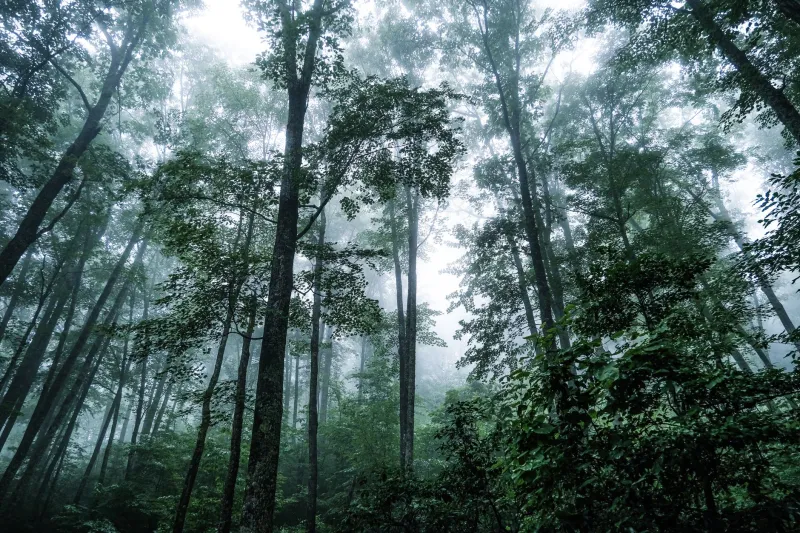
The Old City neighborhood in Knoxville has shown up in multiple independent productions, its mix of repurposed industrial buildings and older brick storefronts giving directors a lot to work with. But it's the drive out of Knoxville — east toward Gatlinburg, or north toward the ridge country — where things get genuinely cinematic. The roads narrow. The tree canopy closes overhead. Your cell signal drops. It's the kind of environmental storytelling that money genuinely cannot buy on a studio backlot.
Production scout Devon Callaway, who has helped place several streaming productions in the East Tennessee region, noted that the proximity of dense forest to functional small-town infrastructure makes logistics far easier than shooting in more remote Appalachian states. "You can film a chase scene through actual old-growth forest in the afternoon and be back at a decent hotel in Knoxville by dinner. That matters when you're running a tight schedule."
Rural Tennessee: Where the Real Monster Country Lives
If Memphis is Gothic and Knoxville is liminal, then rural Middle and East Tennessee is something else entirely — it's mythic. The small towns, the hollow roads, the old farmsteads with their collapsing outbuildings and overgrown fence lines. This is the Tennessee that feeds directly into werewolf folklore tradition, the landscape that makes a transformation scene feel inevitable rather than fantastical.
Several productions have used the rural counties between Nashville and Chattanooga for exactly this reason. The rolling farmland broken up by creek beds and cedar thickets creates a visual rhythm that feels ancient. Shoot it in the blue hour before sunrise and it looks like a place where the rules about what's possible might not apply.
This isn't accidental. Filmmakers who work in Tennessee repeatedly cite the state's "layered" quality — the sense that modern life sits on top of something much older and less domesticated. For supernatural content, that's not just aesthetically useful. It's thematically resonant.
The Tax Incentive Angle (Yes, It Matters)
We'd be leaving something out if we didn't mention Tennessee's film incentive program, which has made the state increasingly attractive to mid-budget productions that might otherwise default to Georgia or Louisiana. The practical effect has been more productions scouting Tennessee locations, which means more filmmakers discovering what location scouts already knew: this state photographs like a dream for dark material.
The infrastructure has grown alongside the interest. Knoxville and Nashville both have developed legitimate production support ecosystems — crew, equipment rental, post-production facilities — that make Tennessee a realistic choice for projects with real budgets.
What This Means for the Stories We Tell
Here's the thing that matters most to us at Tennessee Werewolves: when productions choose to film here, they don't just use the landscape as wallpaper. The best ones let Tennessee shape the story. The fog becomes a character. The mountains loom with intent. The river reflects a moon that looks slightly too large and too close.
Werewolf fiction, at its core, is about the tension between what we are and what we're trying to be — the civilized self and the wild thing underneath. There may not be a better place in the country to tell that story than a state where you can stand at the edge of a city and look directly into wilderness that has been wild for ten thousand years.
The cameras keep coming back. And honestly? We think the state might be calling them.