Howling for a Deal: Tennessee Werewolf Books That Hollywood Needs to Discover Yesterday
Let's be honest. Hollywood loves a werewolf story right up until the moment that story is set somewhere with a zip code below the Mason-Dixon line. Then suddenly the interest dries up faster than a creek bed in August. Meanwhile, a whole shelf's worth of genuinely spectacular werewolf fiction rooted in Tennessee soil just sits there, waiting.
We've been tracking this gap for a while here at Tennessee Werewolves, and we figured it was time to put some names and titles to the frustration. What follows is our curated rundown of the werewolf books and stories set in Tennessee that deserve a serious look from producers, showrunners, and anyone else with a budget and a camera. We're talking novels, story collections, and serialized fiction — some indie, some traditionally published — that use this state not just as a backdrop but as a living, breathing character in their own right.
Because here's the thing: Tennessee isn't just pretty scenery. It's a place with genuine mythological bones. Strip that away and you've got a lesser story every single time.
Why Tennessee Changes Everything
Before we get into specifics, it's worth saying out loud what a lot of Hollywood pitches seem to miss entirely. Tennessee's cultural landscape is genuinely unusual. You've got the ancient ridge-and-valley geography of the east, where Cherokee shapeshifter traditions were being whispered around fires long before European settlers ever showed up with their own monster stories. You've got the Scots-Irish hill culture of the Cumberland Plateau, which brought its own werewolf lore straight from the British Isles and let it ferment for a couple centuries in the humidity. And then you've got the river towns — Memphis, Chattanooga, the stretch along the Tennessee River — where cultures collided and blended and produced something that doesn't exist anywhere else.
A werewolf story set in Tennessee isn't just a werewolf story with a Southern accent slapped on. The best ones use the place to do something the mythology can't do on its own.
Coal Country Teeth: The Case for Appalachian Horror Fiction
Several indie authors working in the Appalachian horror space have set werewolf narratives specifically in the coal mining communities of Northeast Tennessee, and the results are quietly devastating. The structural tension in those communities — the loyalty required to survive underground, the way a mining town turns inward against outsiders, the generational trauma that gets passed down like a last name — maps onto werewolf mythology with an almost eerie precision.
Imagine a story where the curse isn't just biological but economic. Where the pack isn't a romantic concept but a survival mechanism born from decades of watching the company take everything. That's the kind of layered storytelling these books offer, and it's exactly the kind of thing that prestige TV keeps saying it wants.
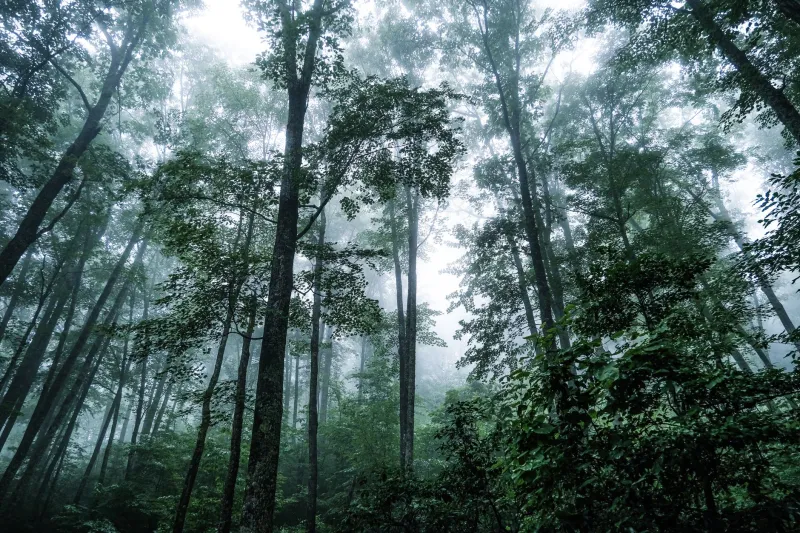
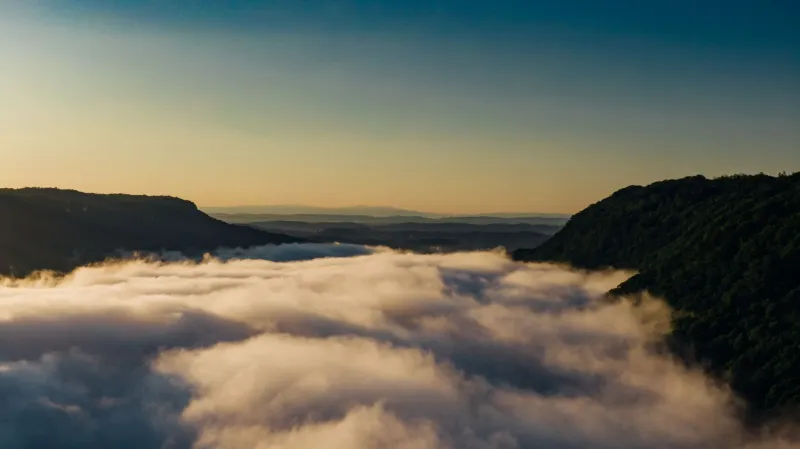
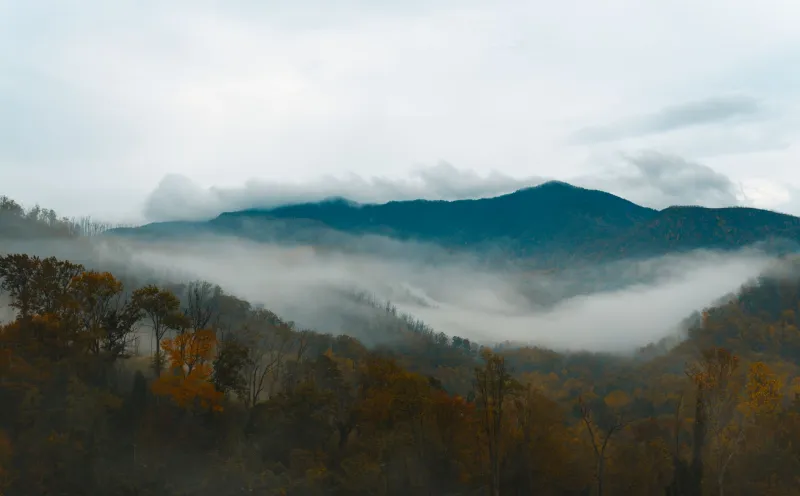
The visual potential alone should have producers calling. The headframe silhouettes at dusk. The blue haze over the ridgeline. The way sound behaves differently when you're that deep in a holler. None of that needs to be invented — it's already there.
River Town Reckoning: Memphis and the Delta Werewolf Tradition
On the other end of the state, there's a whole different kind of werewolf story being told, and it draws from a completely different mythological well. The Lower Mississippi Delta region has its own shapeshifter traditions — some rooted in West African spiritual systems that survived the Middle Passage, some blended with Creole lore that drifted north from Louisiana, some just born from the strangeness of a place where the land is so flat and the river is so powerful that anything feels possible after dark.
Several authors have worked in this territory, setting their werewolf fiction in fictionalized versions of Memphis's historic neighborhoods, along the blues highway, in the cotton fields that still stretch out past the city limits. What makes these stories distinct is how they handle the relationship between transformation and identity. In a lot of mainstream werewolf fiction, the change is something that happens to you. In these stories, it's something you negotiate with, something with cultural memory attached to it.
That's a different kind of monster movie. And honestly, it's a better one.
The Middle Tennessee Gothic Problem
Nashville and the surrounding counties get overlooked in werewolf fiction, which is genuinely strange when you think about it. The city has this dual identity — the glittering industry machine on one hand, the old agrarian culture still clinging to the edges on the other — that creates natural dramatic friction. And the small towns within a two-hour radius of the city are some of the most atmospheric places in the state.
A handful of novelists have leaned into what you might call Middle Tennessee Gothic, setting their werewolf stories in the limestone cave country around the Highland Rim, or in the old tobacco farming communities where the land has been worked so long it feels like it has opinions. The caves are particularly interesting from a storytelling standpoint — Tennessee has more caves than almost any other state, and several of these books use that geography to brilliant effect. There's something about a creature that moves between the underground and the surface that resonates differently when the underground is literally everywhere beneath your feet.
What a Good Adaptation Would Need to Get Right
Here's where we'd push back on any producer who reads this and thinks they can just option one of these books and swap out the setting. The Tennessee in these stories isn't decorative. It's load-bearing.
The dialect matters. Not as a quirky character detail, but because the way people in these communities talk encodes an entire worldview about what's natural, what's supernatural, and where the line between the two actually sits. Get that wrong and you've lost the story's internal logic.
The landscape matters. Not just visually, but ecologically. These books know what blooms in March and what the river smells like in July and what a barn sounds like in a storm. That specificity is what separates genuine regional fiction from fiction that just happens to mention a state name.
And the community dynamics matter. Tennessee werewolf fiction at its best is deeply interested in how packs mirror human social structures — the kinship networks, the church hierarchies, the unwritten rules about who belongs and who doesn't. That's where the real horror lives, and it's where the real adaptation potential lives too.
The Pitch We'd Make
If we were sitting across a table from a streaming executive right now, here's what we'd say: the werewolf genre is due for a reinvention, and the raw material for that reinvention is already written. It's sitting in Tennessee, it's rooted in genuine mythology, and it's telling stories that mainstream genre fiction hasn't gotten around to yet.
The Smokies. The hollers. The river towns. The cave country. The places where the howl meets the holler, as we like to say around here.
Somebody's going to figure this out eventually. We'd just prefer it happen sooner rather than later — before Hollywood decides that Tennessee is only good for backdrop shots and starts setting these stories in the Pacific Northwest again.
We'll be over here, reading, waiting, and making noise about it.